Feeling overwhelmed, tired, irritable, or unlike yourself can lead to an
important question: am I stressed or depressed? Stress and
depression can overlap, but they are not the same. Stress is usually a
response to pressure. Depression is a mental health condition that affects
mood, interest, energy, thinking, and daily functioning. Understanding the
differences can help you decide whether self-care is enough or whether it is
time to speak with a professional.
This guide explains stress vs depression in clear terms. It cannot diagnose
you, but it can help you notice patterns and prepare for a conversation with
a primary care clinician, therapist, psychologist, or psychiatrist.
What Is Stress?
Stress is the brain and body's response to a challenge or demand. A deadline,
relationship conflict, caregiving responsibility, health concern, financial
pressure, or major life change can activate the stress response. In the
short term, stress can sharpen attention and help you act. When stress
continues without enough recovery, however, it may affect sleep, mood,
concentration, digestion, muscle tension, and overall health.
Stress often has an identifiable trigger. You may feel better after the
deadline passes, the conflict is resolved, or you have time to rest. That
link to a specific pressure is one clue that stress may be driving your
symptoms.
What Is Depression?
Depression is more than feeling sad after a difficult day. Major depressive
disorder can cause persistent low, empty, or irritable mood; loss of interest
or pleasure; low energy; changes in sleep or appetite; difficulty
concentrating; feelings of guilt or worthlessness; and physical discomfort.
Symptoms can occur without a single clear trigger and may continue even when
life circumstances improve.
A clinical diagnosis depends on the number, severity, duration, and impact of
symptoms. The National Institute of Mental Health notes that depression
symptoms are generally present most of the day, nearly every day, for at
least two weeks, with either depressed mood or loss of interest or pleasure
among the core symptoms. Only a qualified health professional can determine
whether symptoms meet diagnostic criteria and rule out medical conditions or
medications that can look similar.
Key Differences Between Stress and Depression
| Feature |
Stress |
Depression |
| Typical trigger |
Often connected to a recognizable demand or pressure. |
May follow stress or loss, but can also appear without one clear cause.
|
| Course |
Often improves when the pressure eases or coping resources increase.
|
Can persist across situations and continue despite rest or positive
events.
|
| Common feeling |
Overwhelmed, tense, worried, frustrated, or mentally overloaded.
|
Sad, empty, hopeless, numb, irritable, guilty, or disconnected.
|
| Interest and pleasure |
Enjoyment may return when there is time or space to relax.
|
A marked loss of interest or pleasure is a central warning sign.
|
| Daily functioning |
Tasks may feel harder, but functioning often rebounds with recovery.
|
Work, school, relationships, hygiene, or basic routines may steadily
decline.
|
Emotional Symptoms to Watch For
Emotional symptoms can overlap, so look at the overall pattern rather than
one feeling in isolation.
Stress may cause worry, irritability, racing thoughts, frustration,
restlessness, and a sense that there is too much to manage.
Depression may cause persistent sadness, emptiness, hopelessness, guilt,
worthlessness, emotional numbness, or irritability.
Losing interest in hobbies, relationships, or activities you usually value
can be a particularly important sign of depression.
Withdrawal, frequent tearfulness, difficulty making decisions, and feeling
detached from other people deserve attention when they persist.
Children and teenagers may show depression through irritability, withdrawal,
falling grades, loss of motivation, sleep changes, or behavior changes
rather than describing themselves as sad.
Physical Symptoms of Depression
Depression affects the whole person, not only emotions. Physical symptoms of
depression can include:
- Fatigue, low energy, or feeling physically slowed down
-
Insomnia, early waking, restless sleep, or sleeping much more than usual
- Changes in appetite or unplanned weight changes
-
Headaches, aches, cramps, or digestive problems without a clear cause
- Restlessness or slowed movement and speech
- Reduced sexual interest or changes in sexual functioning
Stress can also cause headaches, muscle tension, stomach upset, sleep
problems, and fatigue. A medical evaluation may be important because thyroid
disorders, infections, medication side effects, sleep disorders, and other
health conditions can resemble depression.
When Stress Becomes Serious
Stress becomes more concerning when it is constant, feels impossible to
manage, or begins to change how you live. Warning signs include using
alcohol or other substances to cope, repeatedly missing work or school,
frequent conflict, ongoing insomnia, panic-like symptoms, inability to
complete usual tasks, or physical symptoms that do not improve.
Try practical recovery steps when symptoms are mild and brief: protect
sleep, eat regularly, move your body, take short breaks, reduce avoidable
demands, talk with someone you trust, and divide large tasks into smaller
actions. If symptoms worsen, last two weeks or more, or interfere with daily
life, professional support is appropriate.
When to Seek Professional Help
You do not need to wait until symptoms become severe. Consider scheduling an
evaluation when:
-
Low mood, loss of interest, sleep changes, appetite changes, or low energy
persist for two weeks or longer
-
Symptoms are affecting work, school, parenting, relationships, self-care,
or decision-making
-
You are unsure whether symptoms reflect stress, depression, anxiety, grief,
bipolar disorder, ADHD, a sleep problem, or a medical condition
-
Self-care has not helped, symptoms keep returning, or you are relying more
on alcohol or other substances
-
You have thoughts of death, self-harm, or suicide, feel unable to stay
safe, or cannot care for yourself
Family Care Psychiatry provides comprehensive psychiatric care for children,
teens, and adults in Michigan. A first evaluation looks at symptoms, medical
history, daily functioning, possible look-alike conditions, and treatment
preferences. The practice also coordinates with therapists, primary care
clinicians, OB-GYNs, pediatricians, and other providers with patient consent.
Treatment Options Available
Treatment depends on the diagnosis, symptom severity, health history,
preferences, and response to previous care. A personalized plan may include
one or more of the following:
-
Psychotherapy:
Approaches such as cognitive behavioral therapy can help identify
unhelpful patterns, build coping skills, and improve daily functioning.
-
Medication management:
Antidepressants or other medications may be considered after a careful
evaluation. Family Care Psychiatry emphasizes thoughtful, conservative
prescribing and ongoing symptom tracking.
-
Lifestyle support:
Regular sleep, movement, nutrition, social connection, structured
routines, and reduced substance use can support recovery, but they are not
substitutes for needed clinical care.
-
Collaborative care:
Communication among psychiatry, therapy, and medical providers can clarify
the full picture and keep treatment coordinated.
-
Advanced options for treatment-resistant depression:
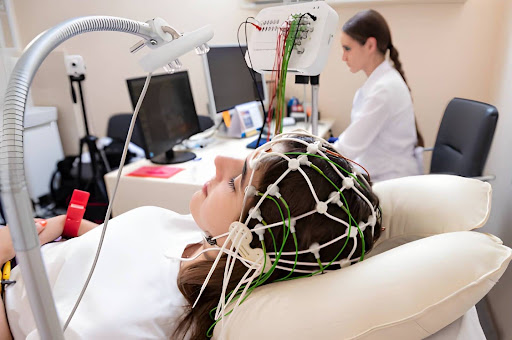
When adequate medication trials have not provided enough relief, TMS or
SPRAVATO may be considered after a clinical assessment. These treatments
are not first-line solutions for ordinary stress.
Related Resources
Explore conditions treated by Family Care Psychiatry
FAQs
Can Stress Turn Into Depression?
Long-lasting stress can increase vulnerability to depression, but stress
does not automatically become depression. Genetics, biology, environment,
life experiences, physical health, and support systems can all affect risk.
How Can I Tell Whether I Am Burned Out or Depressed?
Burnout is usually linked to sustained demands in a particular area, often
work or caregiving. Depression tends to affect many areas of life and may
include persistent low mood, hopelessness, or loss of pleasure. The two can
coexist, so an evaluation may help.
Can I Be Depressed If I Still Go to Work?
Yes. Some people continue meeting responsibilities while experiencing
significant internal distress. Functioning does not rule out depression, and
early help may prevent symptoms from worsening.
How Long Should I Wait Before Getting Help?
If symptoms are severe, worsening, or affecting safety or basic functioning,
seek help immediately. For persistent changes in mood, interest, sleep,
appetite, energy, or concentration lasting about two weeks, schedule a
professional evaluation.
Will Seeing a Psychiatrist Automatically Mean Taking Medication?
No. A psychiatric evaluation clarifies what may be happening and reviews
appropriate options. Family Care Psychiatry states that treatment planning
is collaborative and may include medication, therapy, lifestyle strategies,
or a combination.
Are TMS or SPRAVATO Used for Stress?
No. TMS or SPRAVATO are specialized depression treatments considered after
clinical evaluation, typically when standard treatments have not provided
enough benefit. They are not treatments for normal everyday stress.
The Bottom Line
Stress and depression can share fatigue, sleep problems, irritability, and
concentration difficulties. The clearest differences are often the trigger,
persistence, loss of interest, sense of hopelessness, and impact on daily
life. If you keep wondering whether you are stressed or depressed, that
uncertainty itself is a reasonable reason to talk with a qualified
professional. An evaluation can clarify the cause, rule out look-alike
conditions, and identify a plan that fits your needs.