
How Does Spravato Work in the Brain? Benefits & Side Effects Explained
If you or someone you care about is struggling with treatment-resistant depression, you may have come across Spravato (esketamine). It is the first nasal spray approved by the FDA specifically for adults whose depression has not responded to other antidepressants. But how does Spravato work, and is it right for you?
This guide covers everything you need to know: the science behind it, how it helps depression and anxiety, what a session feels like, potential side effects, and honest answers to common questions.
What Is Spravato?
Spravato is the brand name for esketamine, a derivative of ketamine. Janssen Pharmaceuticals developed it as a nasal spray specifically to treat:
- Treatment-resistant depression (TRD): When two or more antidepressants have not worked.
- Major depressive disorder (MDD): With acute suicidal ideation or behavior.
Unlike traditional antidepressants that target serotonin or norepinephrine pathways, Spravato works through an entirely different mechanism in the brain, which is why it can help patients who have not responded to conventional treatments.
Important: Spravato is only available through a restricted program called REMS (Risk Evaluation and Mitigation Strategy). Patients must self-administer it under the direct supervision of a healthcare provider in a certified clinic. You cannot take it at home.
How Does Spravato Work in the Brain?
Spravato is an NMDA (N-methyl-D-aspartate) receptor antagonist. In simpler terms, it temporarily blocks certain receptors in the brain that respond to glutamate, the brain's primary excitatory neurotransmitter.
How Spravato Works – Step by Step
- Spravato binds to NMDA receptors, especially in regions associated with mood and cognition, such as the prefrontal cortex and hippocampus.
- This blockade triggers a surge in glutamate activity, activating AMPA receptors.
- AMPA receptor activation leads to the release of BDNF (brain-derived neurotrophic factor), a key protein that supports the growth and repair of neurons.
- This process promotes synaptic plasticity, essentially helping the brain rewire itself and form new, healthier neural connections.
The result is a rapid antidepressant effect that can appear within hours to days, a significant advantage over traditional antidepressants, which often take four to six weeks to show results.
Research also suggests that Spravato restores the volume of the prefrontal cortex and hippocampus, brain regions that tend to shrink under chronic stress and depression.
How Does Spravato Help Depression?
Spravato addresses two of the most challenging clinical scenarios in psychiatry:
1. Treatment-Resistant Depression (TRD)
Roughly 30% of people with major depression do not respond adequately to standard antidepressants. Spravato offers a new pathway by targeting glutamate, not serotonin. Clinical trials showed that patients using Spravato alongside an oral antidepressant achieved significantly greater symptom reduction compared to those using a placebo nasal spray.
2. Acute Suicidal Ideation
In patients admitted for a suicidal crisis, Spravato has demonstrated rapid reductions in suicidal thoughts within 24 hours. This speed is clinically important because standard antidepressants are too slow to be useful in an acute crisis.
Key benefit: The combination of fast-acting relief and the ability to help where other medications have failed makes Spravato a meaningful option for a specific and underserved patient population.
Can Spravato Help Anxiety?
Spravato is not FDA-approved for anxiety disorders as a standalone diagnosis. However, anxiety commonly co-occurs with treatment-resistant depression, and many patients report a reduction in anxiety symptoms as their depression improves.
Some emerging research suggests that NMDA receptor modulation may have anxiolytic or anti-anxiety effects, but the current clinical evidence is not strong enough to support its use specifically for anxiety disorders such as generalized anxiety disorder (GAD) or social anxiety disorder.
If anxiety is a concern, discuss it openly with your provider. They can determine whether Spravato may address your specific combination of symptoms.
Does Spravato Cause Weight Gain?
Weight gain is not listed as a common or expected side effect of Spravato based on clinical trial data. This is one area where Spravato differs from many traditional antidepressants, some of which are well known for causing significant weight changes.
That said, depression itself can affect appetite and weight in both directions. As depression improves, eating patterns may change, which could affect body weight indirectly. Additionally, if Spravato is taken alongside an oral antidepressant that causes weight gain, that medication may still have that effect.
Bottom line: Spravato alone is unlikely to cause weight gain, but always review all medications in your treatment plan with your doctor.
What Does a Spravato Session Feel Like?
Because of its psychoactive properties, a Spravato treatment session is quite different from simply taking a pill. Here is what to expect:
Before the Session
- Do not eat for at least two hours before the session. Light food for four hours is acceptable.
- Avoid taking nasal decongestants for at least one hour beforehand.
- Arrange a ride home because you will not be able to drive after the session.
During the Session
- You self-administer the nasal spray under clinical supervision.
- Sessions last approximately 40 minutes for the medication itself, plus a mandatory two-hour observation period.
- You may experience dissociation, which is a temporary sense of detachment from yourself or your surroundings.
- Some patients describe perceptual changes, mild euphoria, dizziness, or nausea.
- Your blood pressure will be monitored because Spravato can cause temporary increases.
After the Session
- The dissociative effects typically resolve within two hours.
- You are not allowed to leave until a healthcare provider confirms that you are stable.
- Avoid driving, operating machinery, or performing activities that require full mental alertness for the rest of the day.
Dosing schedule: Spravato is typically given twice weekly for four weeks during the induction phase, followed by weekly treatment for four weeks. It may then be given once weekly or every two weeks as a maintenance dose.
Risks & Side Effects of Spravato
Spravato carries an FDA Black Box Warning, the most serious warning level, for the following reasons:
- Risk of sedation and dissociation: Patients cannot drive or operate machinery after a session.
- Abuse and misuse potential: Esketamine has the potential for misuse, which is why the REMS program exists.
- Suicidal thoughts and behaviors: Antidepressants, including Spravato, may increase suicidal thoughts in some patients, especially younger adults. Close monitoring is essential.
Spravato Side Effects
| Common | Moderate | Serious (Rare) |
|---|---|---|
| Dissociation or dizziness | Nausea | Suicidal ideation |
| Sedation or sleepiness | Headache | Severe dissociation |
| Increased blood pressure | Anxiety or panic | Abuse potential |
| Cognitive fog | Perceptual disturbances | Close monitoring may be required |
| Euphoria | Temporary discomfort | Serious adverse reactions |
Spravato is not suitable for patients with certain conditions, including aneurysmal vascular disease, a history of intracerebral hemorrhage, or hypersensitivity to ketamine or esketamine.
FAQs About Spravato
How quickly does Spravato work?
Many patients notice an improvement in depressive symptoms within one to four hours of the first session. Some patients experience meaningful relief within 24 hours. However, full benefits typically become clearer over the course of the initial four-week induction phase.
How long does Spravato treatment last?
After the induction phase, which generally involves treatment twice weekly for four weeks, treatment transitions to a maintenance phase. Depending on how well you respond, your provider may recommend weekly or bi-weekly sessions indefinitely, particularly for treatment-resistant cases.
Is Spravato covered by insurance?
Many commercial insurance plans and Medicare Part D cover Spravato, particularly for patients who meet the diagnostic criteria for treatment-resistant depression. Coverage requirements vary by plan. It is best to contact your insurance provider and the Janssen CarePath Savings Program for specific cost information.
Is Spravato the same as ketamine infusions?
No. Spravato uses esketamine, one specific form of ketamine, and is delivered as a nasal spray in certified clinics. IV ketamine infusions use a different formulation called racemic ketamine and are administered intravenously. Neither is identical to the other, and only Spravato has FDA approval for depression.
Who is not a good candidate for Spravato?
Spravato is not recommended for people with a history of psychosis or schizophrenia, certain cardiovascular conditions, active substance use disorder, or those who are pregnant or breastfeeding. A thorough psychiatric and medical evaluation will determine whether it is appropriate for you.
Is Spravato Right for You?
Spravato represents a genuine scientific breakthrough for people who have been unable to find relief through conventional antidepressants. By targeting the glutamate system and promoting rapid neural repair, it opens a door that has long been closed for many patients with treatment-resistant depression.
However, it is not a first-line treatment, and it is not suitable for everyone. The decision to pursue Spravato should always involve a comprehensive evaluation by a qualified psychiatric provider who can weigh your full history, current medications, and individual risk factors.
If you believe Spravato could be right for you or a loved one, speak with a mental health specialist at Family Care Psychiatry. Our team is here to help you explore every option available.
Double Board-Certified Psychiatrist
Dr. Zubairi, MD
20+ years. Trained Nassau NYC → UConn Child & Adolescent. Faculty at MSU and Wayne State. Treats the full spectrum — depression, bipolar, ADHD, anxiety, substance use, schizophrenia.

Releated Articles
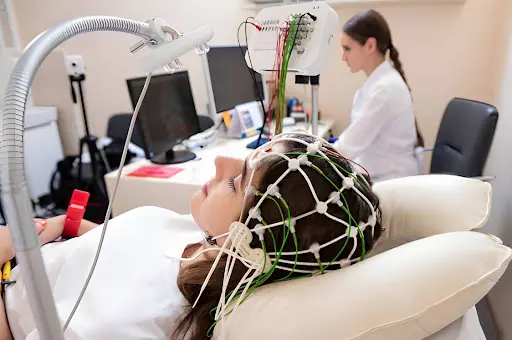
Does TMS Therapy Help Anxiety? What Research Says
Does TMS Therapy Help Anxiety? What Research Says In this Article Transcranial magnetic stimulation, or TMS, is best established as a treatment for depression that has not improved enough with medication. Because depression and anxiety…
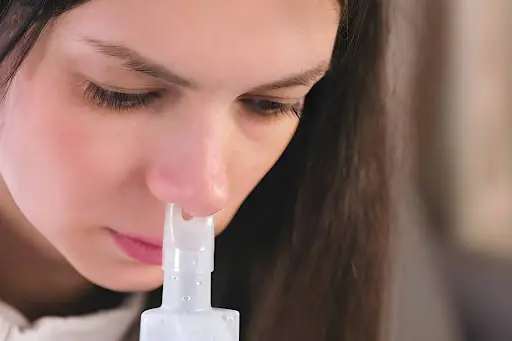
How Does Spravato Work in the Brain? Benefits & Side Effects Explained
How Does Spravato Work in the Brain? Benefits & Side Effects Explained In this Article If you or someone you care about is struggling with treatment-resistant depression, you may have come across Spravato (esketamine). It…
Am I Stressed or Depressed? Signs, Symptoms & When to Seek Help
Am I Stressed or Depressed? Signs, Symptoms & When to Seek Help In this Article Feeling overwhelmed, tired, irritable, or unlike yourself can lead to an important question: am I stressed or depressed? Stress and…