
What is TMS therapy and it’s cost
What Is TMS Therapy?
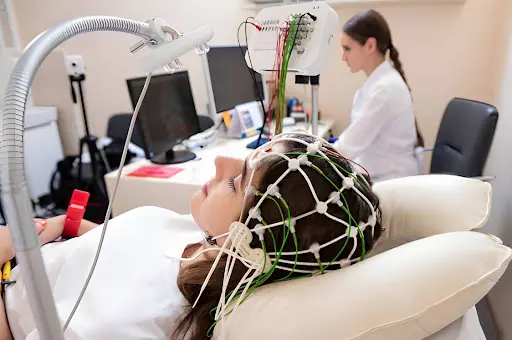
Transcranial Magnetic Stimulation (TMS) is an FDA-cleared, non-invasive treatment that uses magnetic pulses to stimulate areas of the brain associated with mood regulation. Unlike ECT, TMS does not require anesthesia or sedation. Patients remain awake during treatment and can usually return to normal daily activities immediately afterward. TMS therapy is especially helpful for patients who have not experienced sufficient improvement from antidepressant medications or who struggle with medication side effects.How TMS Works - Step by Step
- A trained technician places a magnetic coil against your scalp.
- The coil delivers painless magnetic pulses targeting the prefrontal cortex.
- These pulses stimulate nerve cells that regulate mood.
- Sessions are repeated daily over several weeks for cumulative benefit.
How Much Does TMS Therapy Cost in the USA?
Most patients who recceive TMS do it with insurance coverage. Usually most insurance will require a Prior authorization after psychiatrist submits request to get approval. For some patients where insurance does not cover TMS The average TMS therapy cost in the USA depends on several factors, including the clinic, location, treatment protocol, and insurance coverage.Average TMS Therapy Pricing
| Treatment Type | Average Cost |
| Single TMS Session | $200–$300 |
| Full Treatment Course | $6,000–$9000 |
| With Insurance Coverage | Reduced out-of-pocket cost |
Factors That Affect TMS Therapy Cost
- Type of TMS: Deep TMS (dTMS) and accelerated TMS (iTBS protocol) may cost more than standard repetitive TMS (rTMS) and are less likely to be covered by insurance. Standard rTMS has the most robust evidence for efficacy and is covered by most insurances.
- Geographic location: Urban clinics typically charge more than rural practices
- Clinic type: Hospital-affiliated centers often charge more than independent outpatient clinics
- Number of sessions: Most courses include 20–36 sessions
- Insurance coverage: The biggest variable in total out-of-pocket cost
Is TMS Therapy Covered by Insurance?
Yes, almost all insurance providers now cover TMS therapy for depression when certain medical criteria are met. Insurance coverage has expanded significantly in recent years because TMS therapy is FDA-cleared and supported by clinical research. FDA approval happened in 2008 however TMS has been used in UK and other European countries since 1985.Common Insurance Requirements for TMS Therapy
Insurance providers may require:- A diagnosis of major depressive disorder
- Previous antidepressant medication trials at least 2
- Documentation showing medications were ineffective or caused side effects
- Prior authorization from insurance is required
How Many TMS Sessions Are Needed?
Most patients require a full treatment course of approximately 30 to 36 TMS sessions.Typical TMS Treatment Schedule
A standard schedule usually includes:- Initial consultation and evaluation
- Brain mapping appointment to find the correct location on scalp and level of magnetic stimulation needed for treatment
- Daily treatment sessions
- Follow-up assessments
- 5 days per week
- For 6–8 weeks
How Long Does Each TMS Session Take?
Each standard TMS session lasts approximately 20 to 40 minutes. What to Expect During a TMS Session- You remain awake and seated in a reclining chair.
- The magnetic coil is positioned against your head.
- You will hear clicking sounds and feel a gentle tapping on your scalp.
- No sedation or anesthesia is required.
- You can return to normal activities immediately after each session.
What Conditions Can TMS Treat?
Although TMS therapy is most commonly associated with depression treatment, it may also help with several other mental health conditions.Conditions Commonly Treated With TMS
- Major depressive disorder
- Treatment-resistant depression
- Anxiety symptoms
- Obsessive-compulsive disorder (OCD)
Is TMS Worth It?
Whether TMS therapy is worth the cost depends on your individual circumstances. Here is how to evaluate it:TMS May Be Worth It If:
- You have tried 2 or more antidepressants without adequate results
- You experience significant medication side effects
- Your depression is significantly affecting your quality of life and functioning
- Your insurance covers TMS, reducing out-of-pocket costs
- You prefer a non-medication approach to treatment
Considerations Before Deciding
- TMS requires a significant time commitment (daily sessions for 4–6 weeks)
- Results are not guaranteed; response rates are 50–60%; however, this is in the group of patients who did not do well with other treatments
- TMS is not suitable for patients with certain metal implants in or near the head
- Some patients experience mild scalp discomfort or headaches during treatment
Double Board-Certified Psychiatrist
Dr. Zubairi, MD
20+ years. Trained Nassau NYC → UConn Child & Adolescent. Faculty at MSU and Wayne State. Treats the full spectrum — depression, bipolar, ADHD, anxiety, substance use, schizophrenia.

Releated Articles
Does TMS Therapy Help Anxiety? What Research Says
Does TMS Therapy Help Anxiety? What Research Says In this Article Transcranial magnetic stimulation, or TMS, is best established as a treatment for depression that has not improved enough with medication. Because depression and anxiety…

How Does Spravato Work in the Brain? Benefits & Side Effects Explained
How Does Spravato Work in the Brain? Benefits & Side Effects Explained In this Article If you or someone you care about is struggling with treatment-resistant depression, you may have come across Spravato (esketamine). It…

Am I Stressed or Depressed? Signs, Symptoms & When to Seek Help
Am I Stressed or Depressed? Signs, Symptoms & When to Seek Help In this Article Feeling overwhelmed, tired, irritable, or unlike yourself can lead to an important question: am I stressed or depressed? Stress and…